
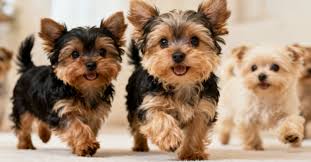
If you’ve been searching for Yorkie puppies or Yorkie Poo puppies for sale, you already know the feeling — one look at those tiny faces and it’s hard to imagine life without one. Yorkshire Terriers and their Poodle-mix cousins are consistently among the most popular small dog breeds in the United States, and it’s easy to see why.
But before you fall completely head over heels, there’s a lot worth knowing. This guide covers everything from temperament and care to what to look for when you’re ready to find Yorkie breeders near you.
What Is a Yorkie? (Yorkshire Terrier Overview)
The Yorkshire Terrier was originally bred in 19th-century England as a working dog — used to catch rats in clothing mills. Today, the Yorkie is about as far from a rat-catcher as you can get. These dogs are pampered companions who love attention, cuddles, and being the center of the household.
Key traits:
- Weight: 4–7 lbs
- Lifespan: 13–16 years
- Coat: Long, silky, low-shedding — often described as more similar to human hair than fur
- Energy: Moderate to high for their size
- Temperament: Bold, affectionate, curious, and sometimes stubborn
Despite their small size, Yorkies have enormous personalities. They’re confident, occasionally bossy, and deeply loyal to their owners. Don’t be surprised if your Yorkie tries to run the household.
What Is a Yorkie Poo?
The Yorkie Poo (also spelled Yorkiepoo or Yorkie-Poo) is a cross between a Yorkshire Terrier and a Toy or Miniature Poodle. The result is a smart, playful, hypoallergenic dog that takes the best qualities from both parent breeds.
Key traits:
- Weight: 3–14 lbs (depending on the Poodle parent’s size)
- Lifespan: 12–15 years
- Coat: Wavy to curly, minimal to no shedding
- Energy: Moderate to high
- Temperament: Affectionate, highly intelligent, social, eager to please
Because Poodles are one of the smartest dog breeds in the world, Yorkie Poos tend to be easier to train than purebred Yorkies. They pick up commands quickly, thrive on positive reinforcement, and love having a job to do — even if that “job” is learning new tricks for treats.
Yorkie vs. Yorkie Poo: Which Is Right for You?
Both breeds make wonderful companions, but they do have some meaningful differences worth considering.
| Yorkie | Yorkie Poo | |
|---|---|---|
| Shedding | Very low | Minimal to none |
| Trainability | Moderate (can be stubborn) | High |
| Allergy-friendly | Mostly yes | Yes |
| Size range | 4–7 lbs | 3–14 lbs |
| Energy level | Moderate-high | Moderate-high |
| Independence | More independent | More people-oriented |
Choose a Yorkie if you love the classic look, want a purebred dog with a long lineage, and don’t mind a little extra attitude.
Choose a Yorkie Poo if you have allergies, want a dog that’s easier to train, or prefer a slightly softer, fluffier coat with more size variety.
Care Guide: Keeping Your Yorkie or Yorkie Poo Happy
Grooming
Yorkies require regular grooming — more than many other small breeds. Their silky coats grow continuously and can reach the floor if left uncut. Most owners choose one of two routes:
- Show coat: Kept long, brushed daily, and tied up with a topknot
- Puppy cut: Trimmed short every 6–8 weeks — much lower maintenance
Yorkie Poos have curlier, fluffier coats that also need regular brushing (2–3 times per week) and professional grooming every 6–8 weeks to prevent matting.
Both breeds need their ears checked regularly, as their floppy ears can trap moisture and lead to infections.
Feeding
Small breeds have small stomachs and fast metabolisms. Feed Yorkie and Yorkie Poo puppies three to four small meals per day to prevent hypoglycemia (low blood sugar), which is common in toy breeds. As adults, two meals per day is the standard.
Look for a high-quality small-breed dog food with protein as the first ingredient. Avoid fillers like corn syrup and artificial preservatives.
Exercise
Don’t let the small size fool you — both Yorkies and Yorkie Poos have real energy. They need:
- 20–30 minutes of active exercise per day
- Mental stimulation through training, puzzle toys, or interactive play
- Short walks and indoor play sessions work perfectly for apartment living
They don’t need a yard, but they do need engagement. A bored Yorkie will find ways to entertain itself — usually at the expense of your furniture.
Training
Start training early. Yorkies can be independent and strong-willed, so consistent, reward-based training from puppyhood sets the foundation for a well-behaved dog. Yorkie Poos are generally quicker to respond but still benefit from early socialization with people, children, and other dogs.
Crate training is highly recommended for both breeds as puppies — it gives them a safe space and makes housebreaking significantly easier.
Health Considerations
Both Yorkies and Yorkie Poos are generally healthy breeds, but there are a few conditions to be aware of:
Common in Yorkies:
- Patellar luxation (loose kneecaps) — very common in small breeds
- Tracheal collapse — avoid harnesses that pull on the neck; use a harness instead of a collar
- Dental disease — small mouths mean crowded teeth; brush regularly
- Portosystemic shunt (liver shunt) — a congenital condition; ask breeders about health screening
Common in Yorkie Poos:
- Similar to Yorkies, plus potential Poodle-inherited conditions like progressive retinal atrophy
- Ear infections (due to floppy, hair-filled ear canals)
- Hip dysplasia in larger Yorkie Poos
A reputable breeder will screen parent dogs for these conditions and provide health clearances. Always ask to see documentation before committing to a puppy.
Finding Yorkie Puppies and Yorkie Poo Puppies for Sale
When you’re ready to find your puppy, here’s what the process should look like with a responsible breeder:
- Browse listings — Start at FindUsAPuppies.com to see available Yorkie and Yorkie Poo puppies from breeders across the country
- Ask questions — A good breeder will welcome your questions about health testing, socialization, and the puppy’s upbringing
- Request a visit — Whenever possible, meet the puppy and at least one parent dog in person or via video call
- Review health records — Vaccinations, deworming, and any genetic health testing should be documented
- Understand the contract — Reputable breeders provide a written health guarantee
What to expect to pay: Yorkie puppies for sale typically range from $1,200 to $3,500 depending on lineage, coat quality, and breeder reputation. Yorkie Poo puppies for sale generally run $800 to $2,500.
Be cautious of prices that seem too good to be true — they often signal a puppy mill or irresponsible breeding practice.
Frequently Asked Questions
Are Yorkies good for first-time dog owners? Yes, with some patience. Yorkies are loving and loyal, but their stubborn streak means training takes consistency. First-time owners who commit to early obedience training do very well with Yorkies.
Do Yorkie Poos bark a lot? They can. Both Yorkies and Poodles are vocal breeds, so Yorkie Poos tend to be alert, expressive dogs. Early training can help manage excessive barking.
How big will my Yorkie Poo get? It depends on whether the Poodle parent was a Toy (under 10 lbs) or Miniature (10–15 lbs). Most Yorkie Poos land between 5 and 12 lbs.
Are Yorkies hypoallergenic? Yorkies are considered one of the more allergy-friendly breeds due to their low-shedding, hair-like coats — but no dog is 100% hypoallergenic. Yorkie Poos, with their Poodle genetics, are generally even better for allergy sufferers.
How long do Yorkies live? With proper care, Yorkies frequently live 13–16 years. They’re one of the longer-lived small breeds.
Ready to Find Your Yorkie or Yorkie Poo Puppy?
Whether you’ve had your heart set on a classic Yorkie for years or you’re just discovering the charm of the Yorkie Poo, FindUsAPuppies.com makes it easy to connect with trusted breeders near you.
Browse available puppies, filter by breed and location, and find the fluffy companion you’ve been looking for.
See Yorkie Puppies for Sale →
See Yorkie Poo Puppies for Sale →
Questions about Yorkies or Yorkie Poos? We’re here to help — reach out anytime.