
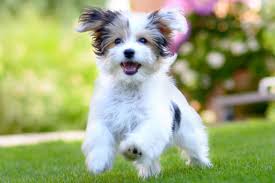
Posted on FindUsAPuppies.com
Small dogs have never been more popular. Whether you live in a city apartment, a suburban home, or anywhere in between, a small dog fits your life in ways a larger breed simply can’t. They travel easily, cost less to feed, take up less space, and — let’s be honest — are extraordinarily easy to love.
But “small dog” covers an enormous range. A 4 lb Chihuahua and a 20 lb Shih Tzu are both small dogs, but they’re completely different animals to live with. This guide breaks down the best small dog breeds by lifestyle, temperament, and care needs so you can find the perfect match.
What Counts as a Small Dog Breed?
Generally speaking, small dog breeds weigh under 22 lbs as adults. Toy breeds — a subset of small dogs — typically weigh under 12 lbs. The American Kennel Club’s Toy Group includes some of the most popular small dogs in America: Yorkies, Maltese, Pomeranians, Chihuahuas, Toy Poodles, and Shih Tzus, among others.
Within the small dog category there’s a wide spectrum of energy levels, grooming needs, trainability, and temperament. Matching those traits to your lifestyle matters far more than size alone.
The Best Small Dog Breeds — and Who They’re Best For
Yorkshire Terrier (Yorkie)
Weight: 4–7 lbs | Lifespan: 13–16 years
The Yorkie is bold, confident, and deeply loyal — a big personality in a tiny frame. Yorkies are affectionate with their families and surprisingly fearless around larger dogs. Their silky, low-shedding coat makes them a favorite for people who want a small dog without the fur everywhere.
Best for: Adults, seniors, apartment dwellers, those who want a low-shedding companion
Maltese
Weight: 4–7 lbs | Lifespan: 12–15 years
One of the oldest toy breeds in history, the Maltese is pure elegance — gentle, playful, and devoted. Their long white coat is stunning and low-shedding, though it requires regular grooming. Maltese are calm enough for quiet households but still enjoy play and short walks.
Best for: Seniors, calm households, adults, first-time small dog owners
Toy Poodle
Weight: 4–10 lbs | Lifespan: 14–18 years
The Toy Poodle is arguably the best all-around small dog breed: hypoallergenic, highly intelligent, easy to train, and long-lived. They adapt to any living situation, get along with children and other pets, and thrive on learning. If you want a small dog that can do it all, the Toy Poodle is the answer.
Best for: Everyone — families, singles, seniors, allergy sufferers, apartment dwellers
Chihuahua
Weight: 2–6 lbs | Lifespan: 14–17 years
The world’s smallest dog breed is also one of the most spirited. Chihuahuas form fierce bonds with their owners and are surprisingly brave — they have no idea how small they are. They’re low-maintenance on the exercise and grooming front, but need early socialization to manage their wariness of strangers.
Best for: Adults, seniors, experienced small dog owners, those wanting a deeply loyal companion
Pomeranian
Weight: 3–7 lbs | Lifespan: 12–16 years
Pomeranians are all fox-faced confidence and fluffy double coat. They’re alert, curious, and love being the center of attention. Poms are more energetic than their size suggests and enjoy training, tricks, and outdoor adventures. Their thick coat requires regular brushing but sheds more than most toy breeds.
Best for: Active adults, those who enjoy grooming, owners who want an alert watchdog in a tiny package
Shih Tzu
Weight: 9–16 lbs | Lifespan: 10–18 years
The Shih Tzu was bred for one purpose: companionship. These dogs are warm, affectionate, and remarkably adaptable. They’re one of the more sturdy small breeds, tolerating children and other pets well. Their flat face (brachycephalic) means they can struggle in heat — keep them cool in summer.
Best for: Families, seniors, apartment living, anyone wanting a laid-back small companion
Cavalier King Charles Spaniel
Weight: 12–18 lbs | Lifespan: 9–14 years
The Cavalier is the gentle giant of the small dog world — silky-eared, soft-eyed, and endlessly sweet. Cavaliers are one of the few small breeds that genuinely enjoy both cuddle time and outdoor activity. They’re exceptional with children and elderly owners alike, and are among the most affectionate dogs of any size.
Best for: Families with children, seniors, therapy dog candidates, anyone wanting a gentle companion
French Bulldog
Weight: 20–28 lbs | Lifespan: 10–12 years
Technically a small-to-medium breed, the Frenchie earns its place on this list by virtue of its massive popularity and apartment-friendly temperament. French Bulldogs are charming, low-energy indoors, and comically entertaining. Like Shih Tzus, their flat face means heat and heavy exercise are hard on them.
Best for: Urban dwellers, those wanting a low-exercise small breed, families
Miniature Schnauzer
Weight: 11–20 lbs | Lifespan: 12–15 years
The Miniature Schnauzer is one of the most versatile small breeds: smart, trainable, low-shedding, and spirited. They’re more rugged than most toy breeds, enjoy vigorous outdoor activity, and make excellent watchdogs. Their wiry coat needs hand-stripping or regular trimming.
Best for: Active families, those wanting a low-shedding but more athletic small dog
Maltipoo
Weight: 5–20 lbs | Lifespan: 12–16 years
The Maltipoo — Maltese crossed with Toy or Miniature Poodle — has become one of the most beloved small companion dogs in America. Gentle, hypoallergenic, and adaptable, the Maltipoo suits nearly every lifestyle. No two Maltipoos look exactly alike, with coats ranging from wavy to curly in a variety of colors.
Best for: Families, allergy sufferers, seniors, apartment dwellers, first-time dog owners
Yorkie Poo
Weight: 3–14 lbs | Lifespan: 12–15 years
The Yorkie Poo brings together the Yorkie’s personality and the Poodle’s intelligence in a compact, low-shedding package. They’re eager to please, quick to learn, and deeply affectionate. Yorkie Poos come in a wide range of colors and coat textures.
Best for: Families, allergy sufferers, active owners who want a trainable small dog
Havanese
Weight: 7–13 lbs | Lifespan: 14–16 years
The national dog of Cuba, the Havanese is cheerful, outgoing, and silky-coated. They’re one of the more social small breeds — happy with children, other dogs, and strangers alike. Havanese rarely bark excessively and are surprisingly easy to train.
Best for: Families, social households, those wanting a friendly small dog that travels well
Bichon Frise
Weight: 12–18 lbs | Lifespan: 14–15 years
The Bichon Frise is a cloud of white fluff and cheerfulness. Hypoallergenic, playful, and gentle, the Bichon makes an outstanding family companion. They’re sturdy enough to handle children but calm enough for quieter households. Their coat requires regular grooming to maintain that signature fluffy appearance.
Best for: Families, allergy sufferers, apartment dwellers, first-time dog owners
Small Dog Breeds by Lifestyle
Best small dogs for apartments
Toy Poodle, Maltese, Chihuahua, Shih Tzu, French Bulldog, Bichon Frise
Best small dogs for families with kids
Cavalier King Charles Spaniel, Maltipoo, Havanese, Bichon Frise, Miniature Schnauzer, Beagle
Best small dogs for seniors
Maltese, Shih Tzu, Cavalier King Charles Spaniel, Bichon Frise, Toy Poodle
Best hypoallergenic small dogs
Toy Poodle, Maltese, Maltipoo, Yorkie Poo, Miniature Schnauzer, Bichon Frise, Havanese
Best small dogs for first-time owners
Toy Poodle, Maltipoo, Cavalier King Charles Spaniel, Bichon Frise, Shih Tzu
Easiest small dogs to train
Toy Poodle, Miniature Poodle, Yorkie Poo, Maltipoo, Miniature Schnauzer
Small Dog Care: What Every Owner Should Know
Exercise
Small dogs need daily exercise, but the amount varies enormously by breed. A Chihuahua may be satisfied with 20 minutes of indoor play; a Miniature Schnauzer needs 45 minutes of outdoor activity. Research your specific breed’s needs — “small” doesn’t automatically mean “low energy.”
Feeding
Small breeds have fast metabolisms and tiny stomachs. Feed two measured meals per day from a high-quality small-breed formula. Avoid free-feeding — small dogs gain weight easily, which puts stress on their small joints. Many toy breeds also risk hypoglycemia (low blood sugar) as puppies and need small, frequent meals during their first months.
Grooming
This varies dramatically. Short-coated breeds like Chihuahuas and French Bulldogs need minimal grooming. Long-coated breeds like the Maltese, Shih Tzu, and Yorkshire Terrier require daily brushing and regular professional trims. Curly-coated breeds like Toy Poodles and Bichons need professional grooming every 6–8 weeks.
Health considerations
Small breeds are prone to a few shared conditions worth knowing about:
- Dental disease — small mouths and crowded teeth make dental care essential; brush regularly
- Patellar luxation — loose kneecaps are common across most toy breeds
- Tracheal collapse — use a harness rather than a collar on small dogs
- Hypoglycemia — especially relevant in very small and teacup puppies
Training
Small dogs are sometimes indulged rather than trained — a pattern that leads to barking, snapping, and resource guarding. Every small dog benefits from basic obedience work, regardless of size. Positive reinforcement works well across all small breeds.
Finding Small Dog Puppies for Sale Near You
FindUsAPuppies.com lists puppies from responsible breeders across the country — including all the breeds in this guide. When searching for small dog puppies for sale, look for breeders who health-test their parent dogs, welcome questions, and provide written health guarantees.
Browse Small Dog Puppies for Sale →
Frequently Asked Questions
What is the best small dog breed for a first-time owner? The Toy Poodle, Maltipoo, and Cavalier King Charles Spaniel are consistently recommended for first-time dog owners. All three are gentle, trainable, and forgiving of rookie mistakes.
What small dog breed sheds the least? Toy Poodles, Maltese, Maltipoos, Yorkies, and Bichons are among the lowest-shedding small breeds. Poodle mixes in general are excellent choices for those who want minimal shedding.
What is the longest-living small dog breed? Chihuahuas and Toy Poodles are among the longest-lived, routinely reaching 15–18 years with good care. The Havanese and Bichon Frise also have impressive lifespans of 14–16 years.
Are small dogs harder to train than large dogs? Not inherently — but they’re often trained less consistently. Small dogs that aren’t trained develop the same behavior problems as large dogs, just in a smaller package. Toy Poodles, Maltipoos, and Miniature Schnauzers are particularly easy to train.
What small dog is best for someone with allergies? The Toy Poodle is the gold standard. Other excellent options include the Maltese, Maltipoo, Yorkie, Yorkie Poo, Bichon Frise, Havanese, and Miniature Schnauzer — all low-shedding breeds.
How much does a small dog puppy cost? Price varies by breed and breeder. Most small breed puppies from reputable breeders range from $1,000 to $3,500. Teacup sizes and show-line puppies typically run higher.
Looking for a specific small breed not listed here? Browse all available puppies at FindUsAPuppies.com or reach out and we’ll help you find what you’re looking for.